How it works
From pip install to the leaderboard
The whole Galapagos journey — install the CLI, sign in, browse the Hub, evolve better solutions, and share your discovery with the community.
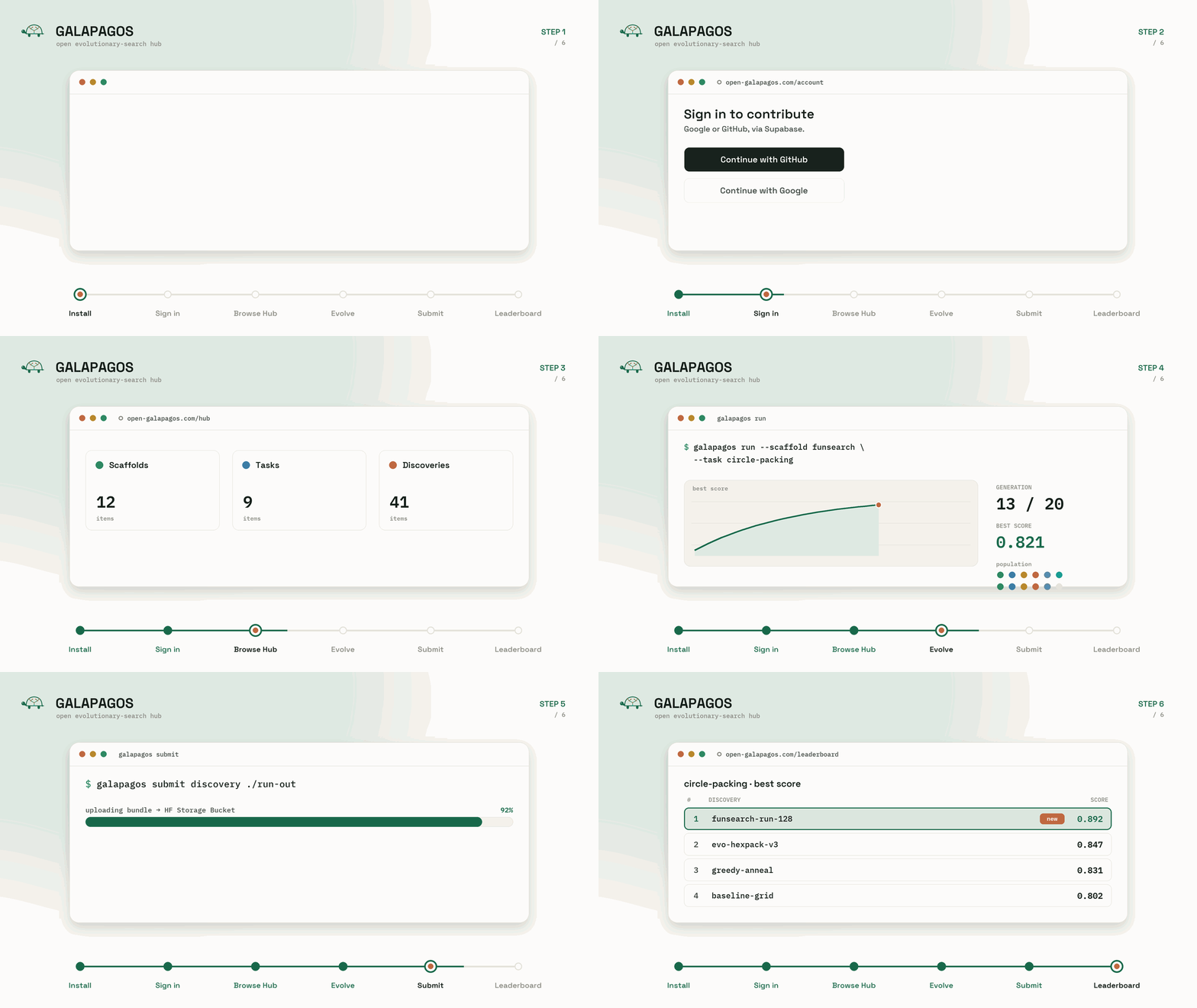
The flow, step by step
A researcher's path through Galapagos
01
Install
Get the CLI and Python SDK. One command, no setup.
$ pip install open-galapagos02
Sign in & get a token
Sign in with Google or GitHub through Supabase, then mint a Galapagos API token that authenticates the CLI and SDK.
03
Browse the Hub
Explore scaffolds, tasks, and community discoveries. Pick a scaffold and point it at a task — or bring your own.
04
Run the evolutionary loop
Choose a bundled scaffold and a runnable compatible task, then stream evaluated candidates through the search loop.
$ galapagos run --scaffold openevolve --task circle_packing --proposer.model_name openai/gpt-4o-mini --proposer.api_base openrouter05
Submit your discovery
Hosted Discovery Space runs publish automatically. For a local result, upload a discovery bundle through the Hub API or browser workflow; the submit CLI currently handles task and scaffold repos only.
06
Land on the leaderboard
Once your discovery is accepted in review, it is ranked against the field by task-native best score.
Contribute to the Hub
Bring your own tasks and scaffolds
Submit a card from the CLI or the SDK and it's saved to the Galapagos Hub — task cards and scaffold cards alike.
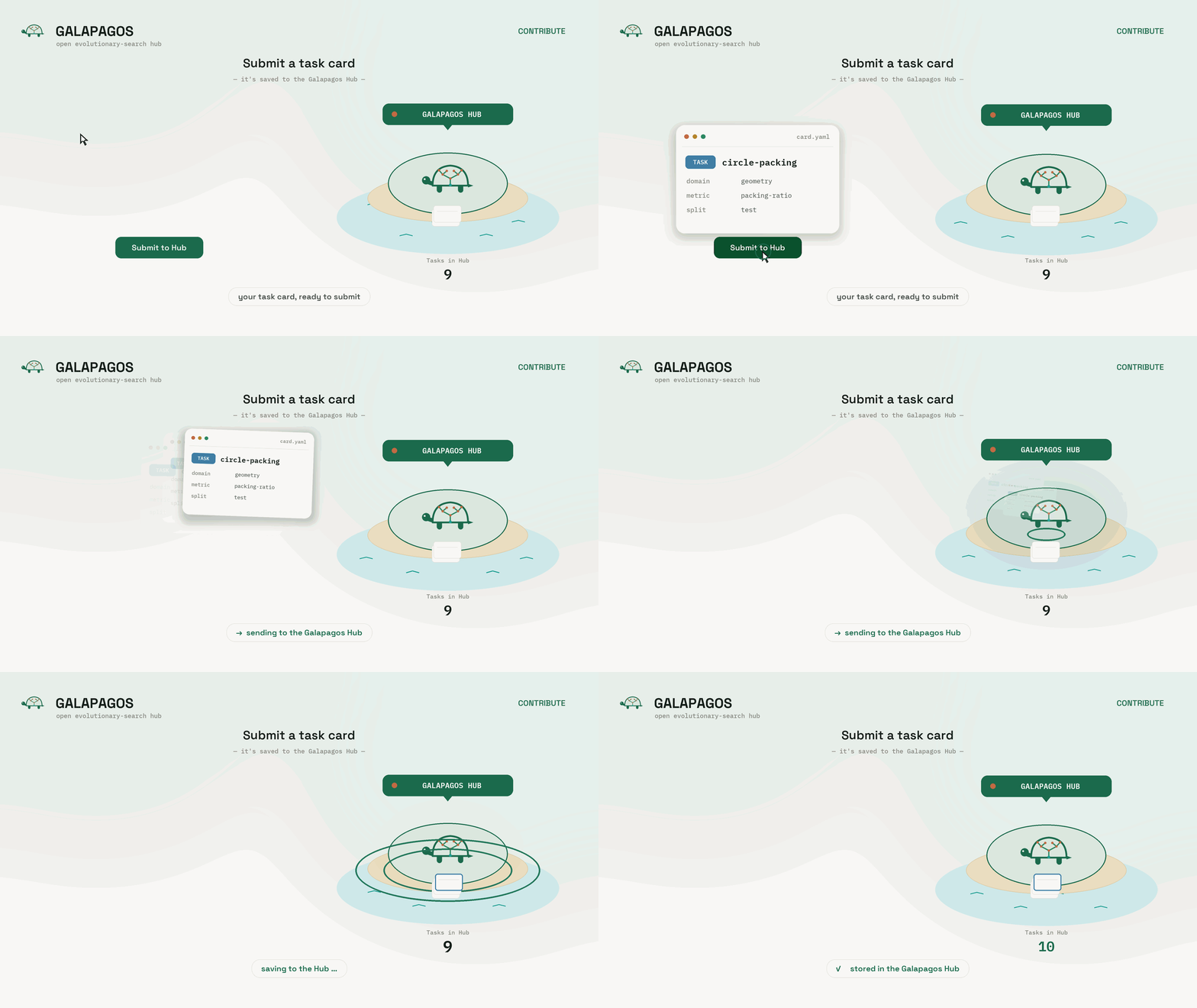
Submit a task card
Define an evaluator, metric, and domain. Your task card lands in the Hub for anyone to run against.
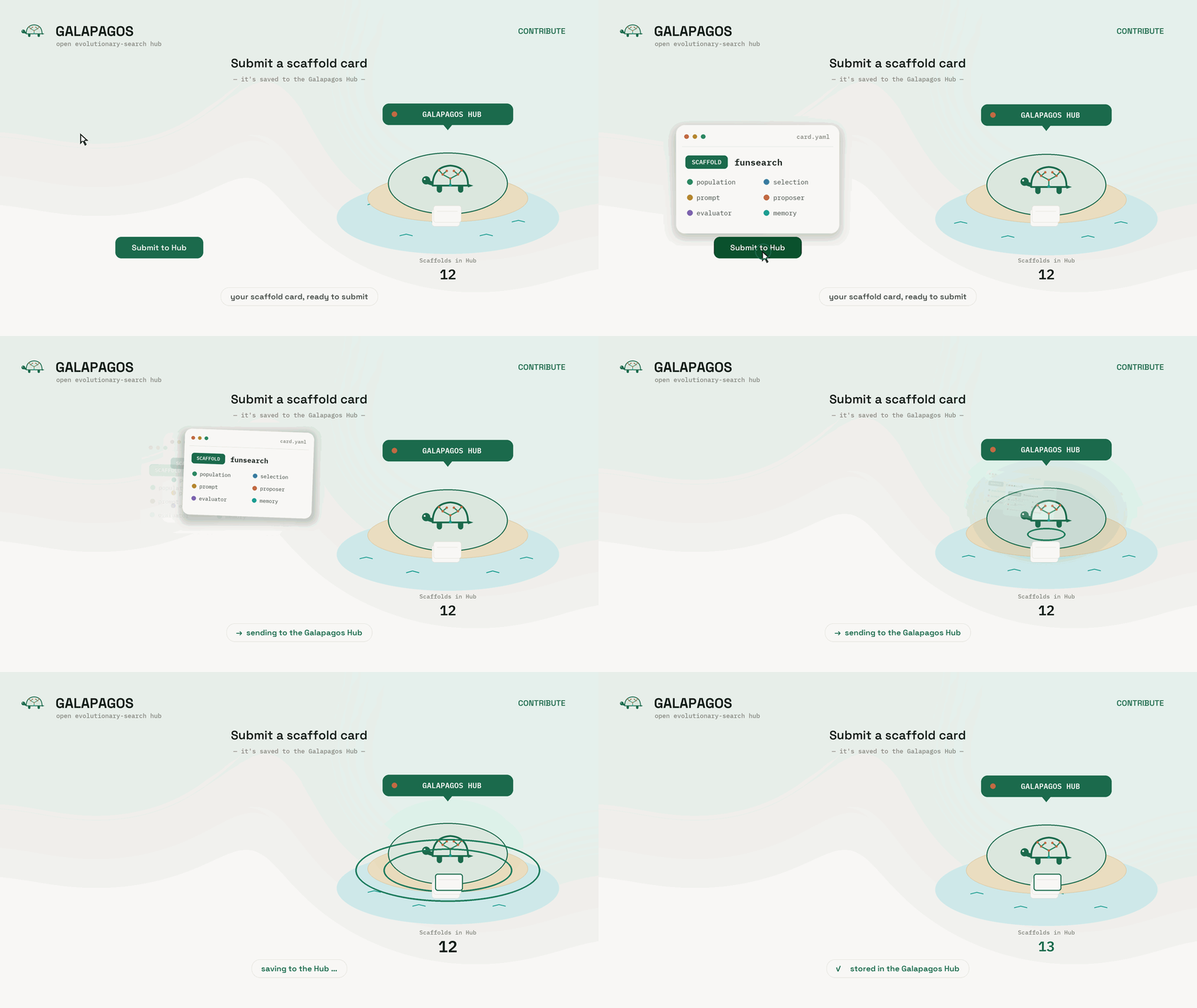
Submit a scaffold card
Snap the six components into a scaffold. Its card and bundle are stored in the Hub for compatible tasks and local use.
Ready to evolve your own solutions?
Browse the Hub to start from a community scaffold, or read the docs for the full architecture and API.